Standard solutions often reach their limits. We develop customized packaging that combines design, product protection, efficiency, and sustainability, fits into your production, and presents your brand in the best possible way.


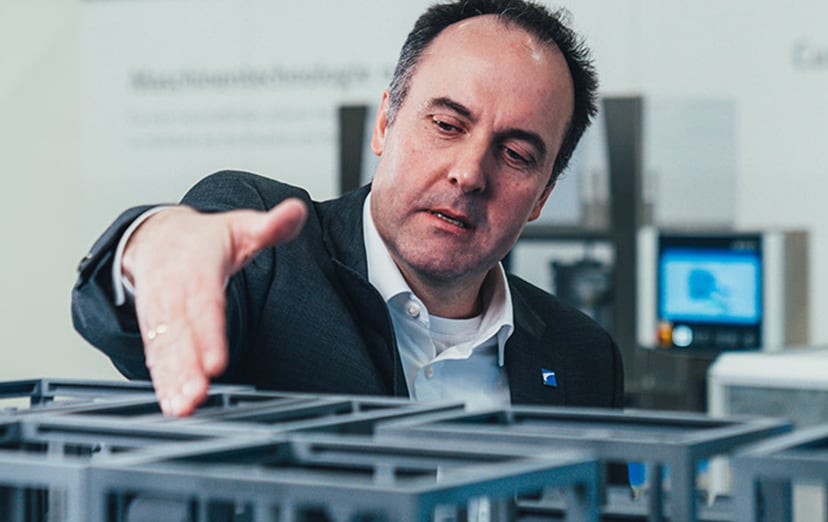
Packaging solutions tailored precisely to your product
Standard solutions often reach their limits. We develop customized packaging that combines design, product protection, efficiency, and sustainability, fits into your production, and presents your brand in the best possible way.
Each product is unique, and its packaging determines protection, brand impact, and market success. KOCH combines design, material, and technology into solutions that are precisely tailored to your processes, market goals, and regulatory requirements.
In the Packaging Competence Center (PCC), we assess feasibility and process reliability at an early stage. From the initial idea to the tested prototype, we create the foundation for packaging that can be produced in a stable, efficient, and scalable manner.
Expertise in packaging materials and their properties
Expert knowledge on packaging development
Expertise in end-to-end packaging processes, machine functions, automation and digitalization technologies
Expert knowledge on the development and evaluation of sustainable packaging solutions
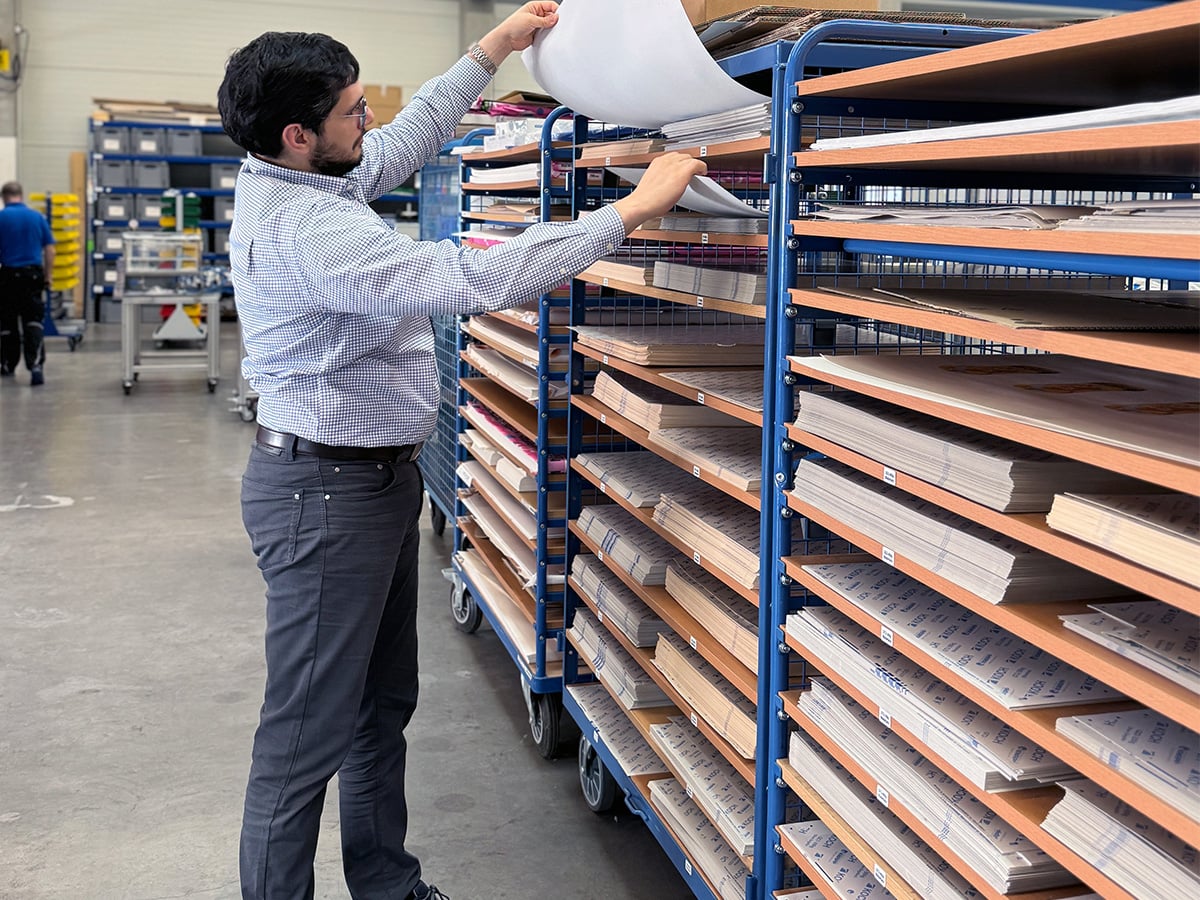
We provide comprehensive advice on relevant and innovative packaging materials. This includes fiber materials such as cardboard or medical paper, plastics in various forms, metals like aluminum, as well as composite materials. Sustainable options such as monomaterials, recyclates, or bio-based raw materials are also part of our portfolio.
Together, we develop proof of concepts, test materials in practical applications, and optimize processing for stable, high-performance processes. The goal is high quality with reduced material usage and reliable process security, even at high cycle rates.
Consulting
Additional materials
Reference specification
Network
Material expertise
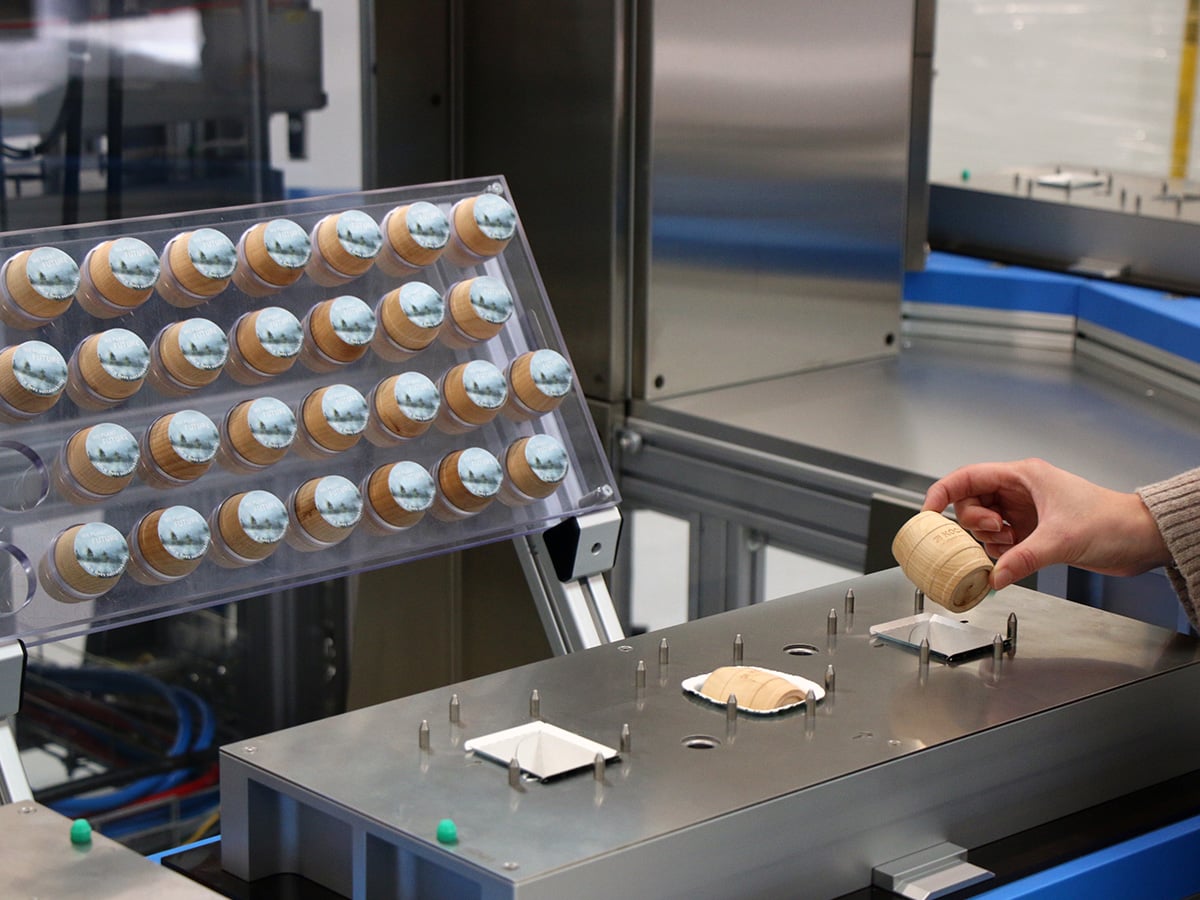
We create market-oriented packaging designs that are visually appealing and functionally suited to your product. This includes features such as opening mechanisms, inlays or product protection, as well as customer-specific requirements like theft protection or odor barriers.
The interplay of design, material, and process results in packaging that stands out on the shelf and runs reliably on the line. With 3D prototyping and small series made from original material, designs can be evaluated early and specifically optimized.
Design
Consulting on package functions
Consulting on design for manufacturability
Faster and more flexible
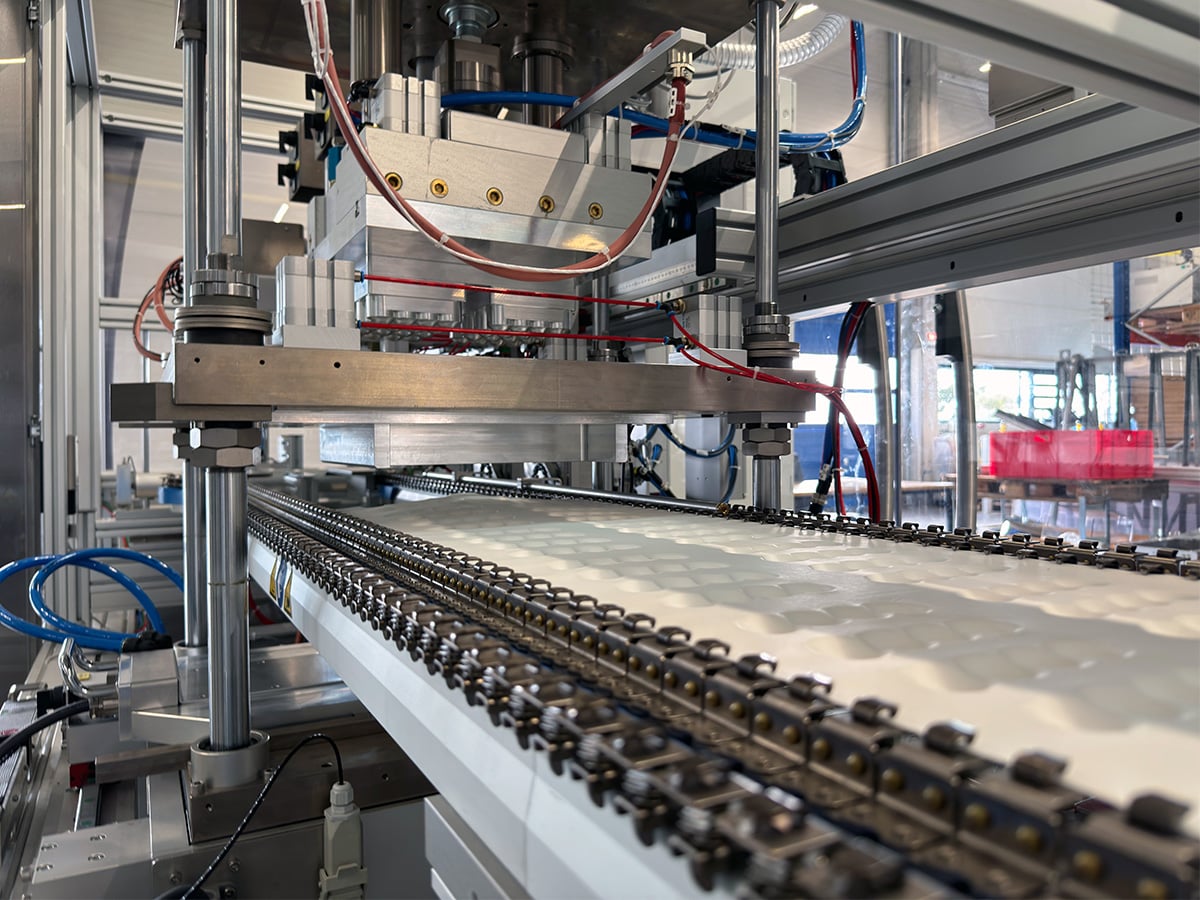
We analyze your existing packaging processes and identify potential for improvements in efficiency, quality, and productivity. This includes OEE optimization, new functions, as well as the integration of customized automation.
In addition to established standards, we rely on digital methods such as simulations and digital twins to validate concepts at an early stage. The result is a packaging line that operates efficiently today and can flexibly adapt to new requirements tomorrow.
Analysis and consulting for packaging processes
New functions, technologies, and packaging processes
Packaging solutions
Digitalization solutions
Development of:
We assess recyclability and create transparent life cycle assessments to make optimization potential visible. Building on this, we develop circular packaging solutions that comply with the principles of the circular economy and measurably improve the CO₂ balance.
Our focus is on combining ecological responsibility with economic efficiency. We select suitable materials such as monomaterials or recyclates, optimize designs for easy recycling, and adapt processes to reliably meet ESG and PPWR requirements.
Evaluation and comparison
Life cycle assessment
Developing optimization approaches
With our extensive network of packaging specialists within the Uhlmann Group, we are at your disposal with our comkprehensive expertise and support
Not only do our customized, innovative, and sustainable packaging solutions enhance your brand value, they also provide a competitive advantage.
Our experts apply an integrative, all-encompassing approach to packaging material, packaging design, and packaging process to create the best fit solution.
KOCH's expertise and wealth of experience in packaging materials, design, technology and automation is unique!
At a very early stage of a project, our team carries out a review and assessment of the cost effectiveness and feasibility of respective concepts, thus empowering you to make a sound investment decision.
Our vast experience and our own drive for innovation enable us to develop and implement solutions that are both creative and practical.
Our teams at the Packaging Competence Center team is committed to developing low risk, sustainable solutions in a short time frame.
Thanks to our experience in multiple sectors, such as consumer goods, healthcare products and contact lenses, our team incorporates valuable insights acros industries into the optimal solution.
Sustainable Consulting
The EU PPWR tightens requirements for recyclability and material use. KOCH analyzes your portfolio, simulates CO₂ potentials, and develops circular packaging that complies with laws and reduces costs.
The EU Packaging and Packaging Waste Regulation (PPWR, Regulation (EU) 2025/40) establishes a harmonised, directly applicable legal framework for all packaging placed on the EU internal market. Its objectives include, among others, making all packaging recyclable in an economically viable manner by 2030, preventing waste, reducing excessive packaging, increasing recycled content, and reducing the use of substances of concern. The PPWR applies to various economic operators (manufacturers, importers, first placers on the market, distributors, fulfilment service providers, and e-commerce operators). It repeals Directive 94/62/EC and is a cornerstone of the EU’s circular economy strategy, driving the transition to circular packaging systems.
The Regulation was officially published on 22 January 2025 and entered into force on 11 February 2025. It applies in principle from 12 August 2026 (with specific transitional periods depending on the obligation). The PPWR sets the scene for the delegated acts, in which the technical details are described.
Key obligations are:
Yes. For medical and pharmaceutical applications, there are targeted exemptions and/or extended transition periods to safeguard sterility and patient safety. A case-by-case assessment is recommended, as requirements vary by product group and packaging function.
The PPWR introduces a EU-wide harmonised sorting/material identification labels. Information may also be provided digitally (e.g. QR code) in addition to on-pack details. The exact pictograms, data formats, and timelines will be defined through delegated acts; first obligations are expected from 2028.
Our recommendation: plan artwork templates and data structures early.
The currently known info is that for grouped, transport, and e-commerce packaging, the maximum void space permitted is 50%. Otherwise, for sales (primary) packaging, the design must be reduced to the minimum necessary to ensure package functionality. The EU will define calculation methodologies for the definition of empty space through delegated acts. The obligation applies from 1 January 2030 (or following the publication of the methodology).
Our packaging engineers are already developing fully functional designs with reduced footprints to keep your future-proof and enable fluid production with minimal future design adjustments.
The PPWR introduces the design for recycling and EU-wide assessment criteria with performance grades for packaging components and used material. It also requires minimum recycled content for specific packaging categories, with target years 2030 and 2040.
We can help you align material choices and packaging design with PPWR requirements.
Producers (typically the first placer on the market in each Member State) must be registered/authorised in EPR schemes, pay eco-modulated fees, and report annually. Without valid registration, packaging or packaged products may not be made available on the market.
If a product is made available or placed on the EU market, it must comply with the rules set by the PPWR, including EPR obligations.
Our process:
Sustainable Consulting
We work with you to develop sustainable concepts that take PPWR, material selection, recyclability, and process requirements into account together. This results in solutions that are ecologically meaningful and can also be reliably integrated into the final overall solution.
Project Management
The robust concept is developed in the PCC, and project management turns it into a structured implementation. With clear responsibilities, coordinated interfaces, and technical coordination, we guide your project safely to the turnkey and complete solution.